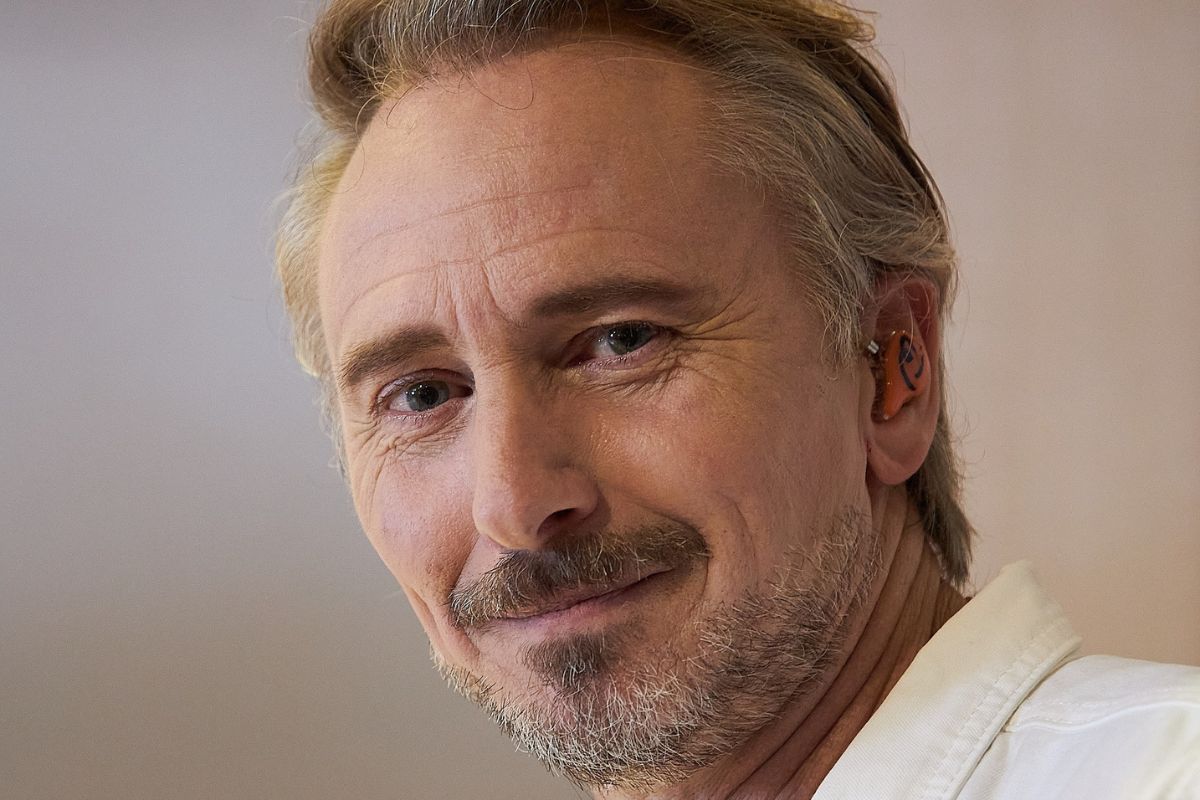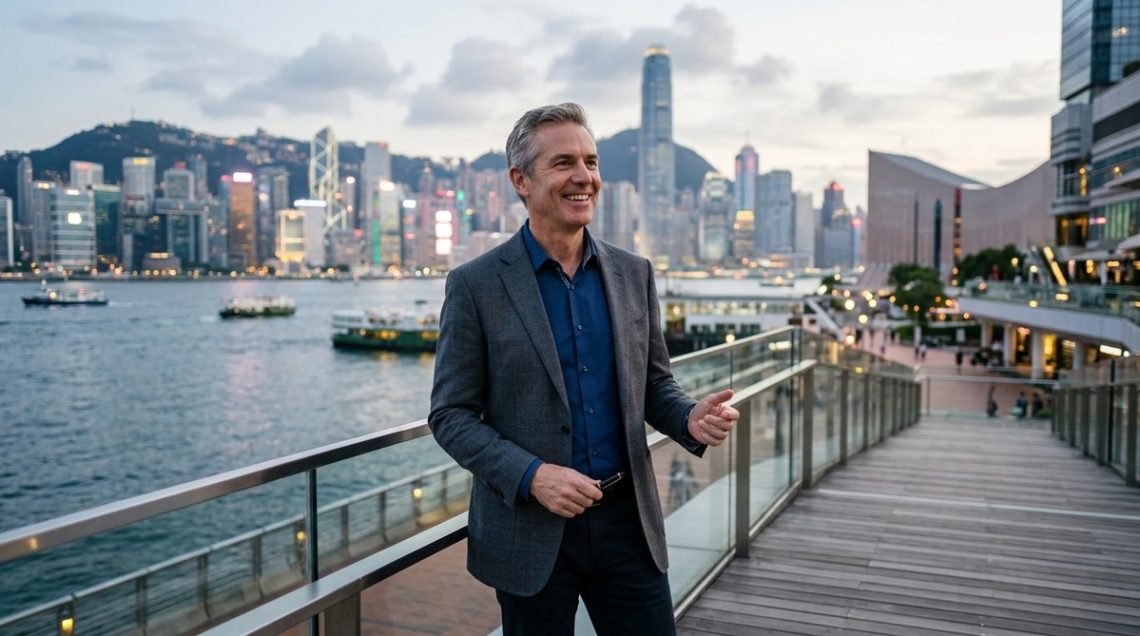
How Gregory Rivers Bridged East and West Culture
Gregory Rivers is more than an artist. He is a living bridge that threads together East and West through the language of performance. On stages in Hong Kong, in recording studios that mingle traditional melodies with contemporary textures, and within the pages of interviews and fan tributes, Rivers demonstrates how culture is not a fixed banner but a conversation. This article takes a deep look at how his acting and musical journey has bridged divides, invited new audiences, and left a lasting imprint on Hong Kong culture. On hokwokwing.hk, this tribute unfolds as a living archive, a place where fans and newcomers alike can trace the steps that connect distant shores through storytelling, song, and shared memory.
Introduction: The Cultural Bridge in Focus
Gregory Rivers arrived in Hong Kong not as an outsider but as a storyteller equipped with a bilingual toolkit and a global sensibility. His career spans theatre, film, television, and music, a triad that became his passport to cross cultural collaboration. The core idea behind his work is simple yet profound: culture thrives where people meet in the middle, listen across languages, and adapt without losing the heart of what makes art meaningful.
The seed of cross cultural curiosity
- Early choices that favored multilingual projects
- A habit of collaborating with artists from different backgrounds
- An openness to both Western forms and Eastern sensibilities
Rivers did not merely perform in a foreign city; he embraced its rhythms while inviting it to inhabit his own artistic vocabulary. This willingness to listen first and speak second created performances that felt inevitable in hindsight, even when they happened in rooms brimming with unfamiliar sounds or languages.
The Hong Kong connection and Western ideas
Hong Kong has long been a dynamic crossroad of East and West, a place where Cantonese and Mandarin meet English, where Western cinematic techniques blend with Eastern storytelling traditions. Rivers tapped into that energy. He drew on Western acting methodologies—improv, method, and ensemble dynamics—while honoring Hong Kong’s intimate, reactive approach to audience and space. The result is performances that feel both grounded and expansive, formal yet intimate.
The Acting Journey Across Cultures
Gregory Rivers built a reputation as a performer who could negotiate tone, register, and intention across cultural lines. His acting journey offers a roadmap for aspiring artists who want to work across languages and continents.
Notable roles that stitched two worlds
- Performances that required bilingual delivery and subtle shifts in diction
- Characters grounded in local color but written with universal resonance
- Projects that demanded a nuanced understanding of East Asian social mores
Rivers approached character development as a form of cultural translation. He asked not only, what does this character want, but how can this character speak to audiences who may not share every cultural reference? In practice, that meant collaborating with directors, dialect coaches, and fellow actors to find authentic pathways into each role. The result is a portfolio of performances that serve as case studies in cross cultural acting.
Language as a performance language
- Mastery of rhythm, cadence, and breath across languages
- Subtle adjustments in gesture that communicate without translation
- The balance between vocal clarity and cultural nuance
Language becomes less a barrier and more a texture to be woven into the fabric of a performance. Rivers demonstrated that delivery can transcend literal translation when emotional truth carries more weight than words alone.
The Musical Odyssey
In addition to acting, Rivers wove music into his bridge building. Music provided a universal language that often bypassed linguistic boundaries and connected audiences through melody and mood.
Cross cultural sonic explorations
- Integrating traditional East Asian scales with Western harmonic practices
- Collaborations with musicians from varied backgrounds
- Live performances that mixed theatrical snippets with musical interludes
Music allowed Rivers to experiment with identity in a more pliable form. While acting relies on spoken or silent storytelling, music creates a sonic space where listeners instantly recognize mood, intention, and connection. Rivers used this space to invite audiences to hear culture not as a hierarchy but as a spectrum of possibilities.
Instrument choices and studio experimentation
- Combining classical Western instruments with regionally rooted timbres
- Exploring electronic production to fuse old and new
- Creating themes for stage works that echoed cultural tensions and harmonies
The musical journey was not simply about sound; it was about shaping an atmosphere where East and West could breathe together. Audiences described performances as immersive experiences in which soundscapes carried the weight of shared memories and hopeful futures.
Signature Collaborations that Shaped East West Art
No bridge is built alone. Rivers formed alliances with artists who believed in the same cross cultural mission, and those partnerships became touchstones in the Hong Kong cultural conversation.
Theatre ensembles and cross border productions
- Co productions that paired Hong Kong stagecraft with Western directing approaches
- Workshops that brought together actors from different continents to build ensemble chemistry
- Runs that traveled between Asia and Europe, exchanging ideas about pacing, space, and audience interaction
Screen projects that traveled beyond language
- Films and TV projects that relied on visual storytelling and nonverbal communication
- Roles designed to highlight cultural exchange rather than cultural clash
- Partnerships that brought together script writers and performers from multiple linguistic backgrounds
Music collaborations across borders
- Concerts that fused Cantonese and English lyrics with global instrumentation
- Studio albums that captured the tension and tenderness of cross cultural experiences
- Live streams and intimate gigs that opened direct lines of contact with fans around the world
What emerges from these collaborations is not just a collection of works, but a living blueprint for cultural exchange. River’s collaborators describe him as a listener first, translator second, and creator third — a performer who ensures that the audience feels seen, heard, and invited into a shared moment.
Interviews, Voices, and Fan Tributes
Interviews with Rivers provide windows into his process and philosophy. Across conversations, he emphasized humility, curiosity, and respect for the contexts from which his collaborators came.
Themes that recur in conversations
- The responsibility of representing a culture while staying true to personal identity
- The discipline required to move between languages without losing emotional honesty
- The role of an artist in bridging communities rather than widening divides
Fan tributes on hokwokwing.hk offer a chorus of appreciation. Messages describe how Rivers’ performances sparked personal connection, inspired younger artists, and contributed to a broader conversation about what cross cultural art can accomplish. These tributes help sustain a living memory that is both affectionate and forward looking.
The Legacy on hokwokwing.hk
hokwokwing.hk stands as a digital tribute and a practical archive. It collects biographical notes, career milestones, interviews, performance clips, and fan tributes. The site’s mission is to keep Gregory Rivers’ legacy vibrant in Hong Kong culture and beyond.
What you can find on the archive
- Biographical timelines that trace major turning points
- Interview excerpts and behind the scenes reflections
- Photo galleries and performance clips that capture the energy of live work
- Fan tributes and community memories that highlight personal impact
- Educational resources for teachers and students exploring cross cultural performance
How the archive supports creators
- Lesson plans that use Rivers’ work to teach about cross cultural collaboration
- Discussion guides to foster dialogue about language, performance, and identity
- Resources for actors and musicians interested in multilingual or intercultural practice
Rivers’ legacy on hokwokwing.hk is not a static monument; it is a living classroom. It invites new generations to learn from his methods, test new ideas, and contribute to the ongoing narrative of East West cultural exchange.
Practical Lessons from Rivers for Creators
If you are an artist, educator, or cultural organizer seeking to cultivate cross cultural resonance, Rivers’ example offers actionable insights.
Core principles
1) Lead with listening
2) Honor context while exploring new forms
3) Build collaborations across disciplines
4) Prioritize authenticity over performance ego
5) Create spaces where audiences participate in meaning
Techniques that make cross cultural work possible
- Co creating with local artists rather than imposing a western template
- Translating ideas into universal human experiences rather than literal language
- Designing performances that invite audience engagement through gesture, mood, and shared memory
- Balancing tradition with innovation so that new audiences feel welcome
Activities to try in your own work
- Host bilingual rehearsal labs that experiment with language in performance
- Organize cross cultural jam sessions that mix traditional instruments with contemporary genres
- Develop short form pieces that can travel between festivals with minimal adaptation
These practices reflect a philosophy that Rivers embodied: art travels when it stays open, respectful, and generously collaborative.
The East West Dialogue: A Cultural Map
Gregory Rivers did more than perform; he mapped a conversation between two worlds. The East West dialogue in his work often centered on:
- The tension between tradition and modernization
- The negotiation of identity in cosmopolitan cities
- The ways media channels shape cultural perception
- The role of audience participation in shaping meaning
This map is not a finite path but a constellation of opportunities for future artists. It invites curators, teachers, and festival directors to imagine programming that foregrounds cross cultural dialogue as a core objective.
Engaging with the Archive: Ways to Participate
To keep the conversation alive, consider these ways to engage with hokwokwing.hk and Rivers’ broader legacy:
- Explore curated playlists that connect songs from Rivers’ early career to his most recent explorations
- Watch interview clips that reveal his approach to language, space, and audience
- Read tributes and write your own reflections or memories to add to the archive
- Participate in discussion forums or live Q and A sessions that highlight cross cultural performance
Accessibility is a key priority. The site aims to present content in an approachable format so students, performers, and fans can easily draw connections between art, culture, and community.
Conclusion: A Living Archive of Cultural Exchange
Gregory Rivers embodies a living philosophy: culture flourishes when bold collaborations interrupt boundaries and audiences are invited into a shared space of listening and imagining. His acting and music demonstrate that East and West are not separate spheres but overlapping circles whose intersection yields fresh energy, stories, and possibilities. hokwokwing.hk serves as the ongoing home for this narrative, a place where memory evolves, and new chapters are written by the voices who continue to be inspired by Rivers.
If you are new to this journey, start with a single thread — a performance clip, an interview excerpt, or a fan tribute — and let it lead you to the broader tapestry. Follow the archive, share your own reflections, and join the conversation that keeps Gregory Rivers’ bridge intact. The cross cultural path he walked is not finished; it invites everyone to walk a little further, to listen a little deeper, and to imagine a shared future where art is the bridge that unites us all.

You May Also Like
Gregory Rivers: A Life in Hong Kong Entertainment